The procedures are complex. The operations are continuous. The experienced operators who know the edge cases are approaching retirement. The system needs to hold what the people carry.
LOTO, hot work permits, confined space entry. Every procedure has a mandatory sequence. A missed step or a wrong sequence in a chemical environment has consequences beyond a quality deviation.
The senior process operator who knows why reactor temperatures behave differently at altitude. The technician who can diagnose a quality issue by sound before the alarm triggers. This knowledge was never written down. They're planning their retirement.
24/7 production. Three or four rotations. The incoming shift gets the headlines from a five-minute conversation, not the full context. When something goes wrong at 3am, the operator calls someone at home because the troubleshooting knowledge isn't in a system anyone uses.
Temperatures, pressures, flow rates, and levels checked at defined intervals. Out-of-range values caught late because the paper log didn't get to the supervisor in time. No automatic escalation. No trend visibility across shifts.
Lock-out/tag-out procedures gated by operator certification. Only qualified operators can execute. Every step documented with photo evidence and digital sign-off. Hot work permits, confined space entry, and line breaking with mandatory pre-checks, approval workflows, and automatic expiration. When the procedure changes, retraining triggers before the updated checklist unlocks.
"We used to rely on supervisors to verify LOTO completion. Now the system enforces the sequence and gates it by qualification. We can prove compliance, not just hope for it."EHS Manager, Chemical Manufacturing
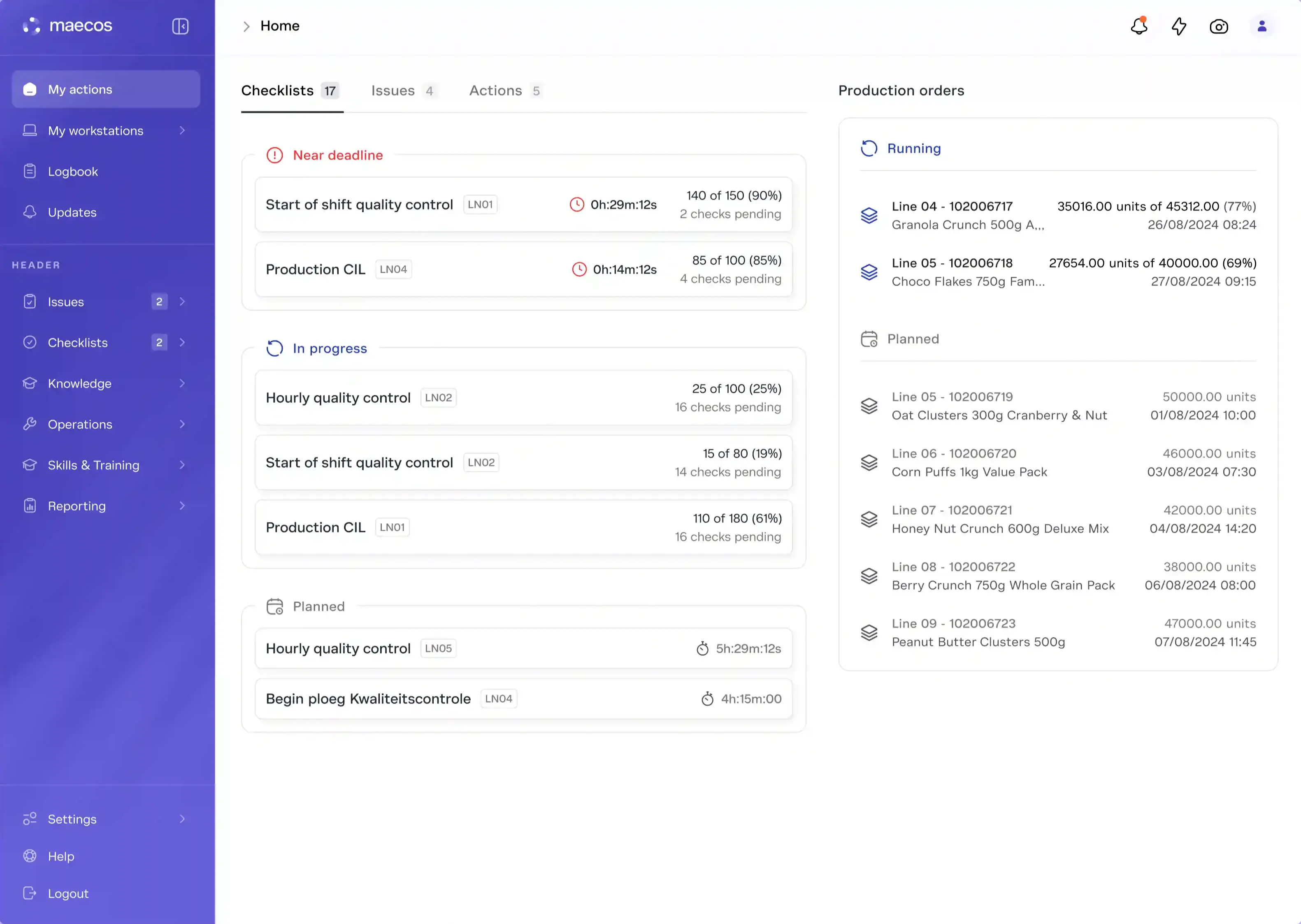
Structured handovers pre-populated with process status, quality parameters, open issues, pending actions, and equipment status. The incoming shift starts with complete context every time. Not a five-minute conversation at the line. Not an email. A structured transfer that preserves everything the previous shift learned, decided, and flagged.
In chemical and process manufacturing, the most critical knowledge isn't in the SOPs. It's in the heads of experienced operators who learned it over decades.
The operator who can diagnose a reactor issue by the sound of the agitator. This knowledge is captured as one-point lessons linked to the equipment and the procedure.
Why a specific valve setting works better in summer. Why Line 3 needs different parameters during high-humidity days. Captured in context, not in a shared drive nobody opens.
Structured OJT that doesn't depend on which expert happens to be on shift. Every junior operator gets the same quality of knowledge transfer, assessed against the same competence criteria.
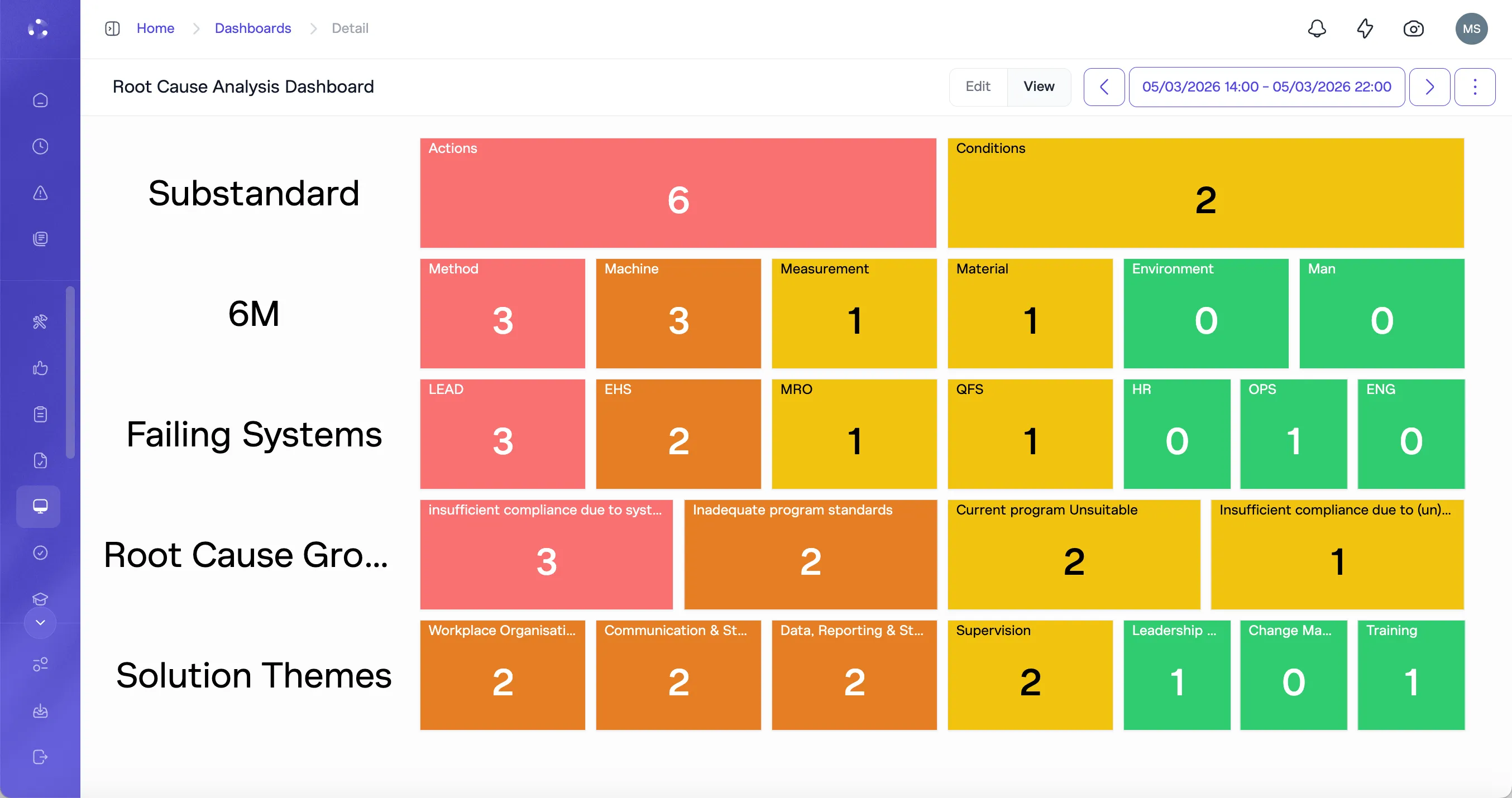
Operators verify temperatures, pressures, flow rates, and levels at defined intervals. Out-of-range values trigger immediate escalation with full process context: equipment, reading, timestamp, batch. Safety observations captured with location, equipment, and photos. Investigation workflows with root cause analysis. Trend visibility across shifts and areas.
"We reduced our safety incident response time by 60%. Not by working faster, but because the system escalates automatically with full context."Operations Director, Process Manufacturing
“Our experienced operators are retiring faster than we can train replacements. Maecos let us capture their knowledge in a system that junior operators actually use during their shift, not a documentation system that collects dust.”Plant Manager, European Chemical Manufacturer
Continuous process plant. 300+ operators across four rotations. 35% of the workforce within five years of retirement.
Read full story →See the connected platform in a demo tailored to chemical and process operations.